Pallet Liquidation: Changing Unwanted Products Into Financial Gain
Pallet liquidation presents an effective approach for retailers overwhelmed by excess inventory. By transforming unsold or returned goods into wholesale transactions, this method not only resolves warehousing challenges but also opens new revenue streams. Entrepreneurial buyers often seek such prospects to secure valuable goods at lower costs. However, the intricacies of sourcing and reselling these pallets present obstacles that necessitate thoughtful analysis. What considerations should one evaluate before participating in this growing industry?
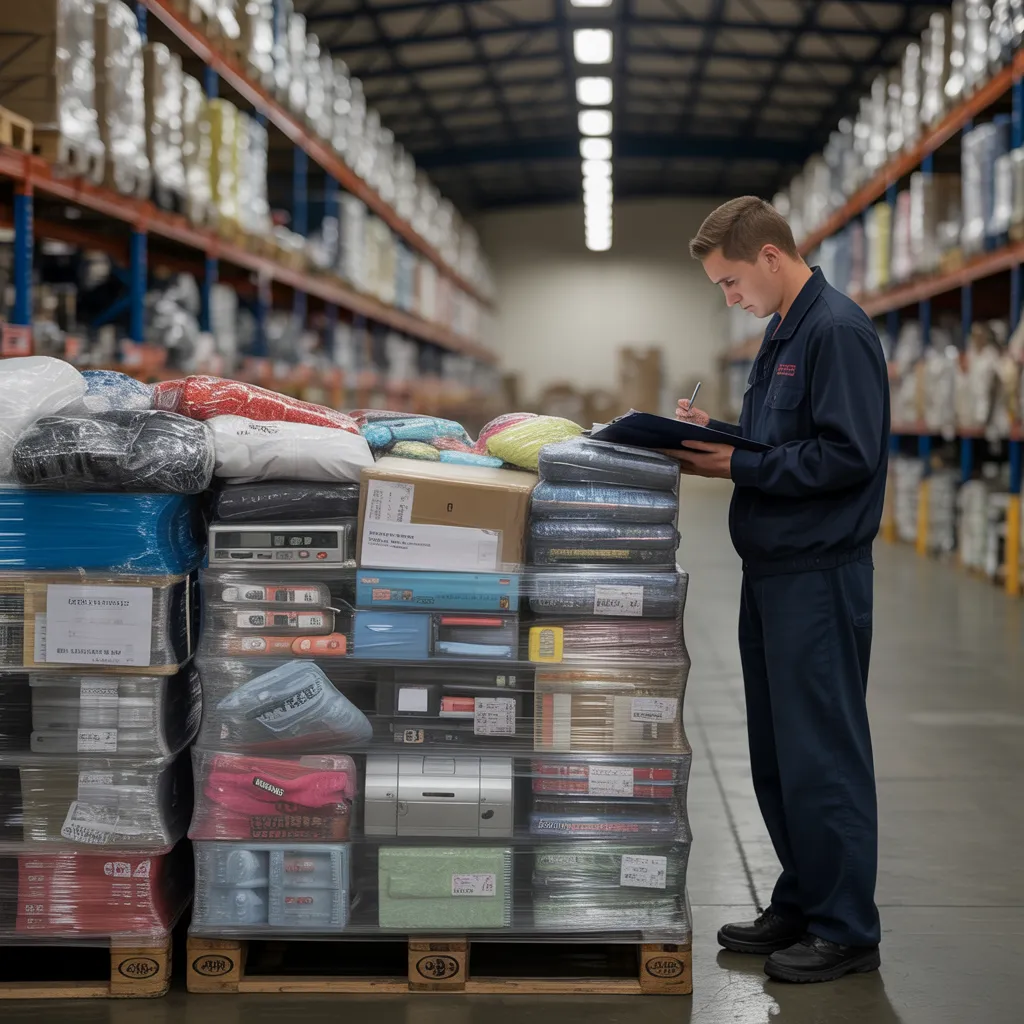
What Is Pallet Liquidation and How Does the Process Work?
Pallet liquidation involves the process of selling significant volumes of returned, excess, or unsold merchandise, typically organized on pallets for easy transport. This practice permits retailers and wholesalers to regain some financial return from inventory that might otherwise go to waste. Businesses frequently obtain these pallets from various sources, including manufacturers and retailers, who are looking to eliminate their surplus inventory.
Upon receiving them, the pallets are offered directly to buyers or listed through digital auction channels. Buyers, often small business owners or resellers, purchase these pallets with the expectation of reselling individual items at a profit. The items within each pallet differ considerably, covering an extensive selection from electronic devices to home essentials. Pallet liquidation is attractive due to the possibility of significant cost savings and the chance to uncover high-value items among a varied assortment. Overall, it serves as a practical solution for managing surplus inventory.
Well-Known Merchandise Categories within Liquidation Pallets
Liquidation pallets frequently include a diverse array of product categories, appealing to many buyers seeking great deals. Typically available items consist of electronics, home goods, apparel, and beauty products. Electronic products like smartphones and laptops, are especially in high demand, as they frequently maintain strong resale value. Home products, including kitchen appliances and furniture, attract a wide range of buyers in search of cost-effective home enhancement options. Clothing categories may span from seasonal garments to activewear, attracting attention from thrift shop operators and resellers. Furthermore, beauty items, such as skincare and cosmetics, attract both individual consumers and retailers seeking to benefit from well-known brand merchandise. Seasonal products also find their way into liquidation, allowing buyers to stock up ahead of holidays. This diverse selection of categories confirms that liquidation pallets are capable of satisfying the varied demands of purchasers, generating profit potential across various market segments.
The Benefits of Pallet Liquidation for Retailers
Numerous retailers greatly benefit from purchasing liquidation pallets, as they offer an efficient way to fill their shelves with a broad selection of products at reduced prices. This method not only improves inventory diversity but also allows retailers to cater to varied customer needs discussion without substantial financial pressure. The affordability of liquidation pallets allows retailers to copyright competitively low prices, which can lead to increased revenue and customer retention.
In addition, purchasing pallet liquidations can lead to higher profitability, as numerous products are obtained at a portion of their retail price. Retailers can also capitalize on seasonal trends by quickly obtaining trending or time-sensitive merchandise, thus responding to consumer demands. Furthermore, the turnaround time for acquiring and selling these merchandise is frequently more efficient than standard supply chain methods, enabling retailers to respond swiftly to fluctuating market demands. Overall, wholesale pallet liquidation serves as a strategic resource for retailers seeking to improve their business performance and returns.
How to Source Quality Pallets
Obtaining premium pallets requires diligent research and strategic consideration. Interested buyers should commence by finding trustworthy wholesale distributors and liquidation companies recognized for their dependability. Local auctions and online marketplaces can likewise act as excellent resources, offering a range of pallets at diverse price points.
A further important consideration includes examining the state of the pallets. Purchasers ought to check for indicators of wear and damage, ensuring that the products are in good condition and marketable. Developing strong ties with distributors can provide advantageous terms and entry to specialized merchandise, enhancing sourcing opportunities.
Keeping up with current market trends and in-demand items can help buyers choose pallets that will generate substantial returns when resold. Building relationships with other sellers can deliver useful tips and advice, also enhancing the product acquisition process. By integrating these approaches, individuals can effectively source quality pallets that contribute to successful liquidation ventures.
Essential Strategies for Reselling Liquidated Pallets
Reselling liquidated pallets requires strategic planning and market insight to increase earnings. Top-performing resellers start by conducting thorough research on market trends and consumer demands. Recognizing profitable product categories, such as electronics, home goods, or seasonal items, facilitates strategic procurement.
Subsequently, vendors should examine the condition of merchandise within the shipments. A thorough inventory is essential for determining the potential resale value and assists with establishing competitive pricing. Leveraging e-commerce platforms and social media for marketing improves reach, reaching a broader audience.
Building relationships with other resellers can be highly valuable, encouraging partnerships that result in exchanged knowledge and assets. Additionally, sellers should consider offering bundled deals or discounts to attract buyers and increase turnover rates. Through the application of these approaches, vendors can successfully convert surplus merchandise into profitable ventures, guaranteeing a thriving commercial framework within the constantly shifting market landscape.
Understanding the Legal and Ethical Side of Pallet Liquidation
Within the field of pallet liquidation, comprehending legal compliance obligations is vital for resellers to steer clear of potential liabilities. Furthermore, ethical sourcing practices play a significant role in maintaining integrity within the industry. These elements not only shape business operations but also affect consumer confidence and brand standing.
Legal Conformance Requirements
Adhering to legal standards in pallet liquidation is vital for upholding ethical practices and preserving business integrity. Organizations involved in this field must follow numerous regulations, encompassing consumer protection laws, environmental requirements, and tax duties. Adhering to these regulations assists in reducing risks linked to the sale of potentially dangerous or copyright products. Furthermore, companies must stay informed about local and federal rules overseeing the resale of liquidated goods, maintaining accurate documentation and reporting. Neglecting to comply can bring about significant legal ramifications, including financial fines or forfeiture of business licenses. Through emphasizing legal adherence, pallet liquidation companies can build confidence among consumers and suppliers, thereby strengthening their standing and sustained success in the market.
Ethical Procurement Practices
Steering through the intricacies of pallet liquidation demands a commitment to ethical sourcing practices combined with legal compliance. Businesses engaged in this sector must emphasize transparency and integrity, ensuring that the products they process are sourced responsibly. This includes validating the provenance of goods, assessing the treatment of workers participating in production, and refraining from sourcing products associated with environmental harm or exploitative labor practices. By implementing ethical sourcing standards, businesses not only mitigate legal risks but also improve their standing and foster client loyalty. Furthermore, ethical practices can result in a more responsible operation, attracting socially conscious consumers. Overall, the embedding of ethical considerations into pallet liquidation is essential for cultivating a ethical and thriving business model.
Upcoming Trends in the Pallet Liquidation Industry
As the pallet liquidation market evolves, various new trends are defining its future outlook. Digital platforms are rising in prominence, allowing sellers and buyers to connect more efficiently. These platforms often utilize advanced algorithms to match inventory with demand, enhancing the speed of transactions. Additionally, sustainability is gaining traction, with businesses prioritizing environmentally conscious practices in the liquidation process. This shift fosters a circular economy, where items are reused and reimagined, limiting waste.
Furthermore, transparency in pricing and product quality is expected to increase, as customers increasingly expect detailed information before committing to a purchase. The rise of niche markets, notably in specialized merchandise, is equally significant; companies are evolving to meet targeted consumer demands. Lastly, the integration of data analytics will likely optimize inventory management, empowering retailers to make smarter business decisions. Collectively, these trends indicate a dynamic future for the pallet liquidation market, fueled by technological advancements and a commitment to sustainability.
Commonly Asked Questions
What Types of Businesses Benefit Most From Pallet Liquidation?
E-commerce businesses, retailers, and discount stores stand to benefit the most from pallet liquidation. These enterprises often seek cost-effective inventory solutions to maximize profit margins. Smaller retailers can acquire diverse products at reduced prices, enhancing their offerings without significant investment. Furthermore, e-commerce vendors utilize liquidation pallets to find distinctive products for resale, establishing competitive edges. Overall, businesses focused on budget-friendly inventory management and diverse product selection find pallet liquidation particularly advantageous for growth and profitability.
How Do I Determine the Value of Liquidated Pallets?
To determine the worth of closeout pallets, you should examine the market value of the merchandise contained, taking into account their current state and marketplace demand. Exploring like products online can provide insights into resale potential. Furthermore, accounting for the purchase cost and all related freight and handling costs is important. Lastly, analyzing regional market conditions and customer interest can assist in developing a strong pricing approach for resale.
Are Individuals Able to Take Part in Pallet Liquidation?
Yes, people can take part in pallet liquidation. Many liquidation companies and auctions allow anyone to compete for or purchase pallets directly. By exploring regional providers or online platforms, people can obtain various goods at lower costs. It is essential for individuals to recognize the risks associated, such as potential hidden damages or unsold items, and to assess their ability to resell or use the items effectively. Knowledge and preparation are key for success.
What Are Common Mistakes to Avoid in Pallet Liquidation?
Frequent errors to steer clear of in pallet liquidation consist of underestimating overhead, like freight and warehousing costs, which can result in lower profit margins. Buyers often fail to research the quality and value of items, resulting in poor purchasing decisions. Moreover, overlooking the tracking of stock and revenue can obstruct achievement. A lack of awareness regarding market demand may cause excess inventory to go unsold. Ultimately, rushing into purchases without a clear strategy can cause financial losses, underscoring the value of deliberate and strategic planning.
How Do Shipping Costs Affect Pallet Liquidation Profitability?
Transportation costs heavily influence pallet liquidation profitability by directly influencing the general expense framework. High shipping fees can diminish profit margins, making it imperative for vendors to account for these fees within their pricing approaches. Additionally, fluctuating transportation rates may impact inventory circulation, thereby influencing the speed of sales. Efficient logistics planning and negotiating favorable shipping rates can enhance profitability, enabling vendors to optimize earnings from liquidated inventory while minimizing overhead expenses.